
The Art of Peace by Morihei Ueshiba and the Art of War by Sun Tzu stand as two of the most widely read treatises on conflict, yet they speak from opposite ends of the philosophical spectrum. One is a manifesto of harmonious resolution; the other, a manual of strategic conquest. And yet, both reflect a deep understanding of human nature and the dynamics of power.
A Fictional Conversation: Sun Tzu and Morihei Ueshiba on a Park Bench
A cherry blossom drifts to the ground as two men sit quietly on a weathered bench. One wears the robes of a Daoist general, the other the hakama of a martial artist. They have never met before this moment, but they recognize something kindred in each other.
Sun Tzu: “To subdue the enemy without fighting is the highest form of strategy.”
Ueshiba: “To see no enemy at all—that is the highest form of peace.”
Sun Tzu: “But what if the enemy is real? What if harm approaches?”
Ueshiba: “Then we must move in harmony with its force, not against it. Redirect. Absorb. Transform.”
Sun Tzu: “And if it cannot be transformed?”
Ueshiba (smiling): “Then perhaps it is not the enemy that must change, but our understanding.”
Sun Tzu: “I trained warriors to read terrain, to wait for the right moment, to strike without wasting strength.”
Ueshiba: “I trained them to empty their hearts of violence. In a true battle, love must rise even as the body moves.”
They sit in silence for a moment, listening to wind pass through the trees.
Sun Tzu: “Perhaps we are not opposites after all. You end where I begin.”
Ueshiba: “And you begin where I end.”
The blossom lands at their feet. Neither man steps on it.
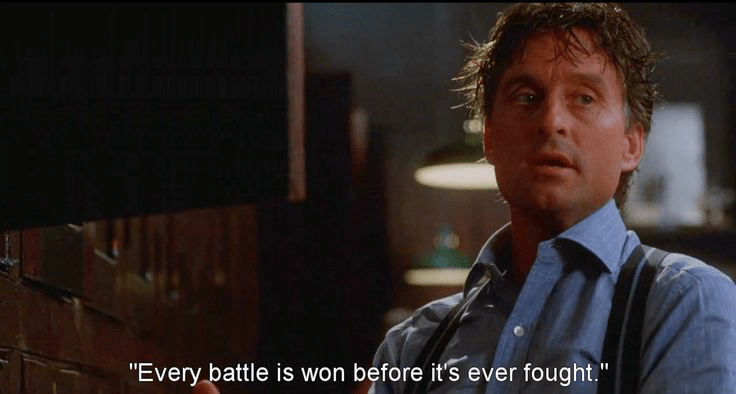
Reading Art of War and Art of Peace side by side reveals not a contradiction, but a spectrum. One teaches mastery over circumstance; the other, mastery of self. The true art may lie not in choosing one or the other, but in knowing when to draw from each.
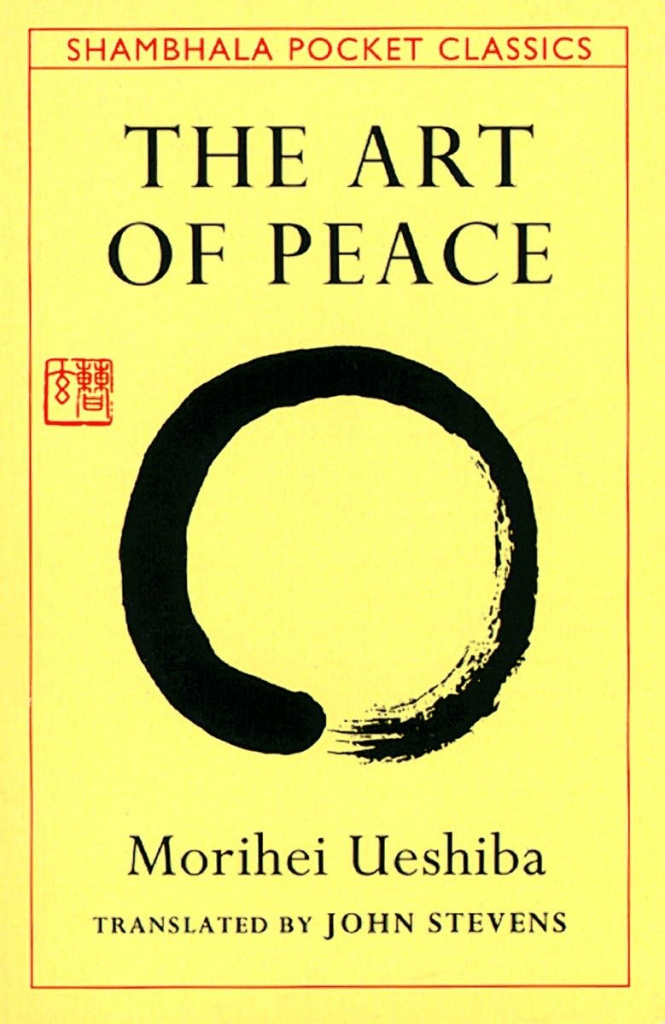
In our world—still rife with battles of ego, ideology, and survival—we need warriors of both the mind and the spirit. And maybe the greatest strength of all is learning how to lead without defeating, and how to protect without destroying.
 Tiny dancer
Leave a comment