
First Cycle
Spring set sail with the Empress of China1,
Silver and ginseng crossing the sea,
Tea and porcelain carried home,
Balance held in fragile harmony.
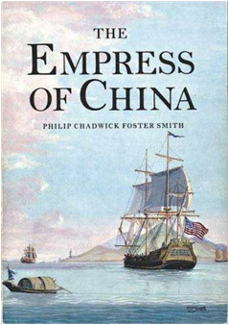
Image from Guangdong News
Summer burned with deficit heat,
Opium shadows to balance the scales2,
Commerce grew but so did doubt,
A season of gains wrapped in moral veils.
Autumn’s leaves of treaties fell3,
Missionaries sowed their seeds of creed4,
Unequal bargains deepened the rift,
A widening deficit, a growing need.
Winter hushed the markets’ song,
Wars and turmoil froze the streams5,
Trade lay dormant, still, and cold,
Dreams suspended in fractured sleep.
Second Cycle
Spring returned with Nixon’s stride6,
Hands once parted clasped anew,
Hopeful blossoms broke the frost,
Surpluses shimmered in morning dew7.
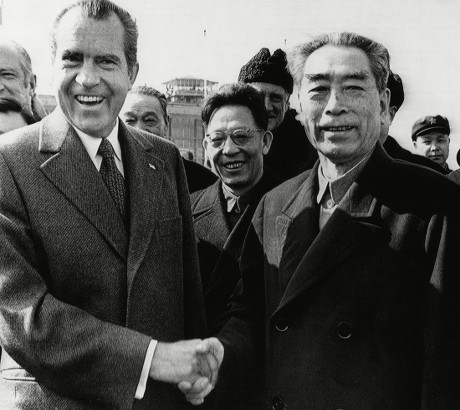
Image from Shutterstock
Late spring stretched through global trade8,
Factories roared, supply lines grew9,
Tariffs struck with sudden heat10,
Yet commerce thrived, resilient, true.
Summer’s edge now feels the air,
Abundance laced with promise and thorn,
Tensions rise though flows endure11,
A fragile bond, both ripe and worn.
Reflection:
Cycles turn on threefold ground:
New demand where markets bound12,
Regimes that fall13, or wars that start14
Each may rend or mend the heart.

Today the spark is tech’s domain,
Each side seeks a crown to claim,
To hold the keys of scale and might,
And shape the future’s course of light.
Yet shadows cast from distant war,
Ukraine, Russia—tensions soar,
One spark abroad could tip the scale,
And turn the season harsh and frail.
Epilogue:
But even winters yield to spring,
New blossoms rise, new voices sing,
Through cycles harsh, the wheel will show,
From frost and storm, fresh seeds still grow.
Notes:
- Empress of China (1784): First U.S. merchant voyage to China, opening direct trade.
- Opium trade (early 19th century): U.S. merchants, alongside the British, exported opium to China to balance silver deficits.
- Treaty of Wanghia (1844): First formal treaty between the U.S. and China, granting “most favored nation” status.
- Missionaries in China (19th century): Growth of American missionary presence, influencing cultural and religious exchange.
- Sino-Japanese War, Boxer Rebellion, World Wars: Periods of instability that froze or disrupted U.S.–China trade.
- Nixon’s visit to China (1972): Landmark diplomatic breakthrough, normalizing U.S.–China relations.
- Surpluses in early trade: U.S. initially exported more to China post-opening (agricultural goods, technology).
- 1980s–1990s industrial rise: China’s reforms under Deng Xiaoping, U.S. imports surge, trade deficit widens.
- WTO accession (2001): China joins the World Trade Organization, integrating further into the global economy.
- U.S.–China tariff disputes (2018–present): Escalation of tariffs and counter-tariffs.
- Russia–Ukraine War (2022–present): Global instability affecting trade flows and intensifying geopolitical sensitivities.
- Innovation-driven demand: From opium in the 19th century to modern technologies (semiconductors, AI, clean energy).
- Regime change: Qing Dynasty’s fall, Communist Revolution (1949), U.S. presidential shifts shaping policy.
- War: Conflicts (Opium Wars, World Wars, Korean War, potential ripple effects from Ukraine).
 Tiny dancer
Leave a comment