The Hong Kong Ballet’s Butterfly Lovers is a luminous retelling of one of China’s most enduring romances, a story often described as the “Chinese Romeo and Juliet.” What set this production apart was not only its graceful fusion of Eastern and Western aesthetics but also its daring stagecraft, strong characterizations, and ability to carry the audience between physical and spiritual worlds with seamless beauty.
1. Two Worlds in Styles
The ballet revealed its genius through the dialogue of two realms.
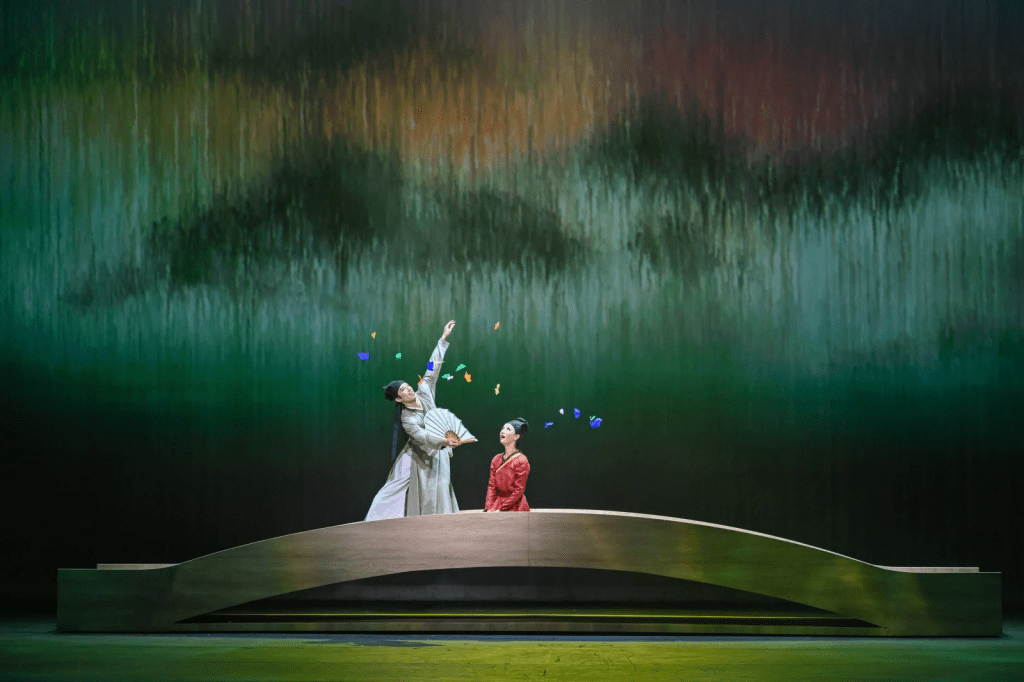
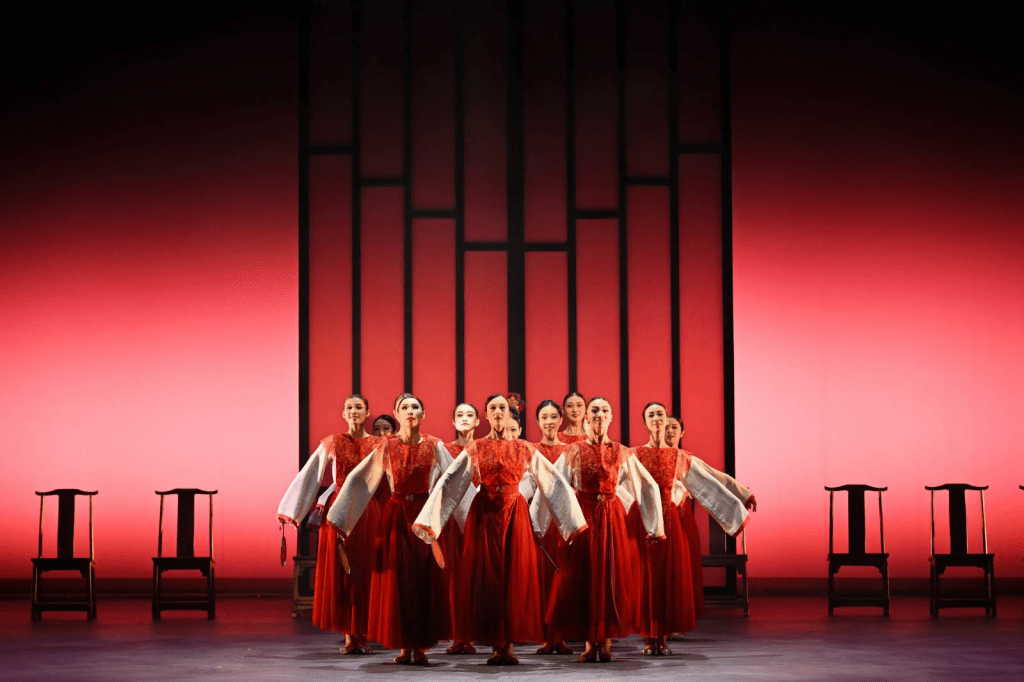
- The physical world emerged in richly detailed Chinese elements: delicate fans in the Etiquette scene whispered of the girls’ gentleness, while folding fans in the academy scene shimmered with the suave mischief of youthful scholars.
Picture Source: David H.Koch Theatre
- The spiritual world unfolded in Western and modern costumes: white-swan ballerinas captured Liang’s tender, first brush with love; skin-toned, moth-like figures embodied the transition from tragic ending to a more harmonious afterlife; and fluid modern dancers gave shape to Zhu and Liang’s unspoken desires and fantasies.
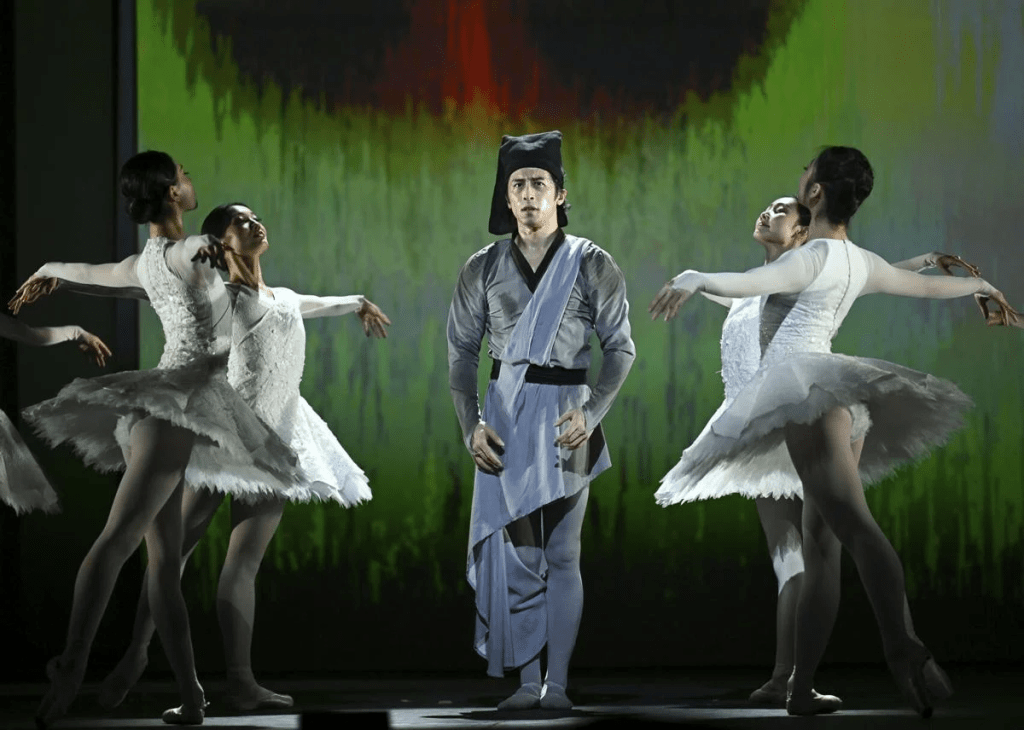

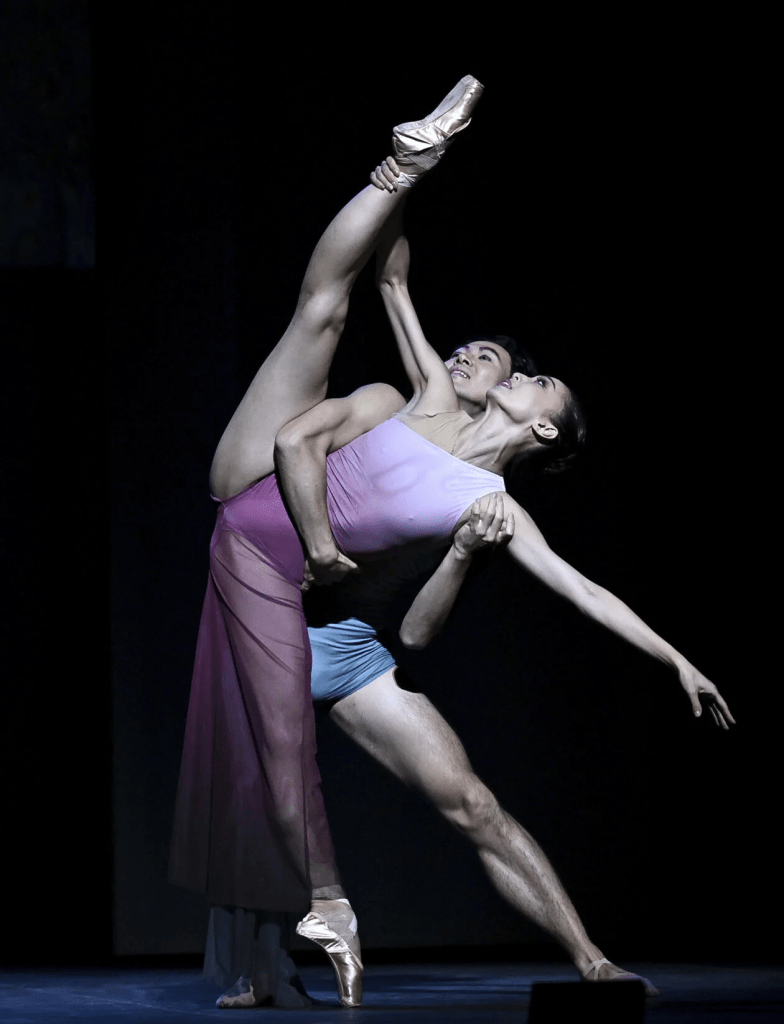
Picture Source: David H.Koch Theatre, Bluefield daily Telegraph, West Virginia News
Together, these styles wove a language of their own—at once culturally rooted and universally human.
2. Dancers as Dancers and Actors
Every principal displayed technical mastery and deep emotional presence. Whether communicating longing in silence or comedic timing during playful moments, the dancers carried their characters with authenticity.
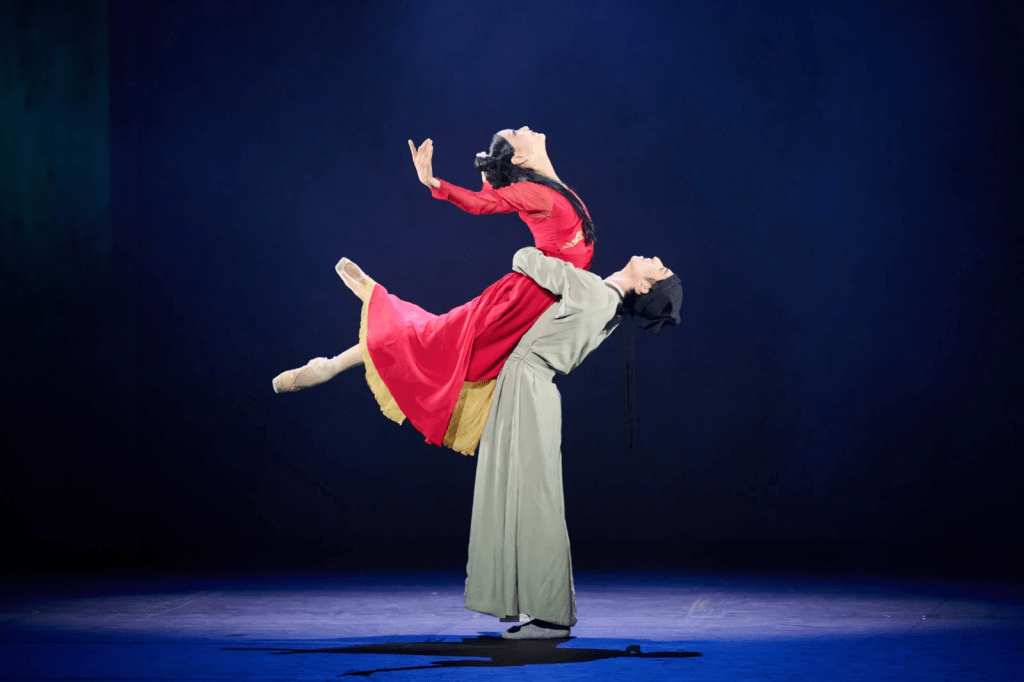
- Ye Feifei, portraying Zhu Yingtai, was radiant. She expressed the naughtiness of a Chinese girl not only through light, mischievous steps but also through her expressive face, capturing the spark of a young woman testing the boundaries of tradition. The picture
- Ryo Kato, as Liang Shanbo, embodied complexity: his mischievous energy enlivened the Confucius academy, his heroic yet futile fight showed the courage of a bookish soul against imperial might, and his spiritual departure—through countless tour en l’air combined with deeply emotive expression—transcended mortality itself.
In their partnership, dance became not just movement but dialogue, alive with emotion.
3. Creative Stage Design and Props
The stage design was both inventive and symbolic.
- In the Confucius academy scene, wheeled tables became moving platforms, reflecting the playful, restless spirit of students, contrasting sharply with the rigid traditions of their environment.
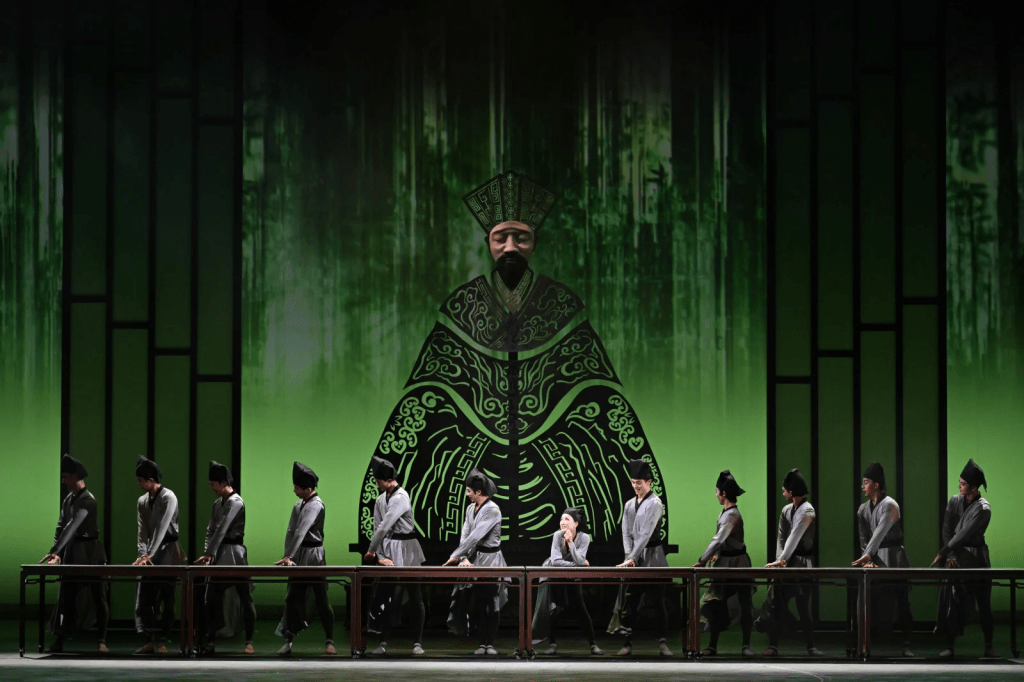
- In the dormitory scene, a bed placed vertically created a bird’s-eye illusion of the room. This clever design turned an awkward social situation into a humorous and relatable episode.
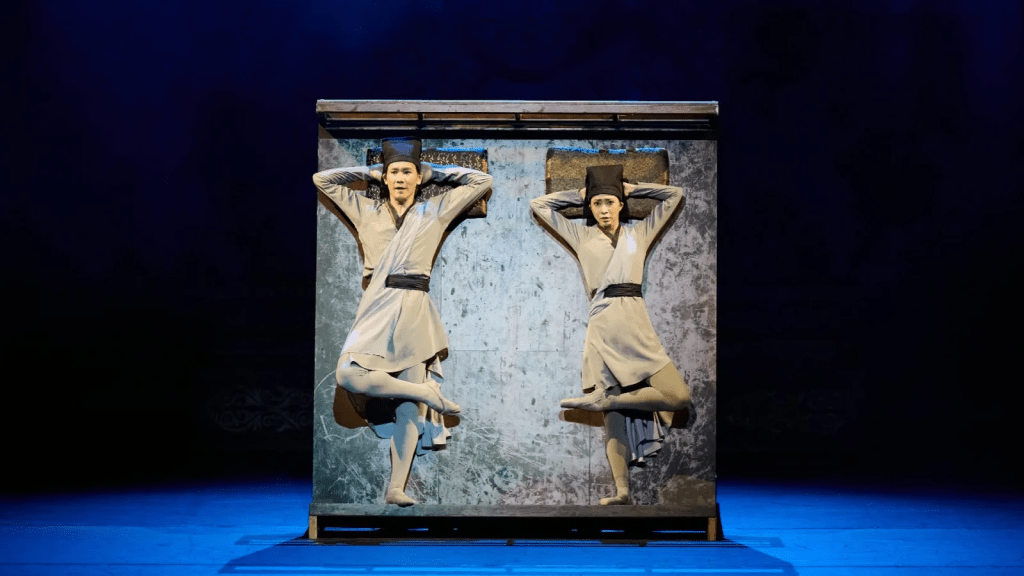
- The Chinese wedding setting appeared twice, carrying opposite emotional weights: the first, during Liang’s proposal to Zhu, was promising and light, filled with warmth and possibility; the second, during Zhu’s forced marriage, was haunted and heavy, a ritual transformed into a cage.
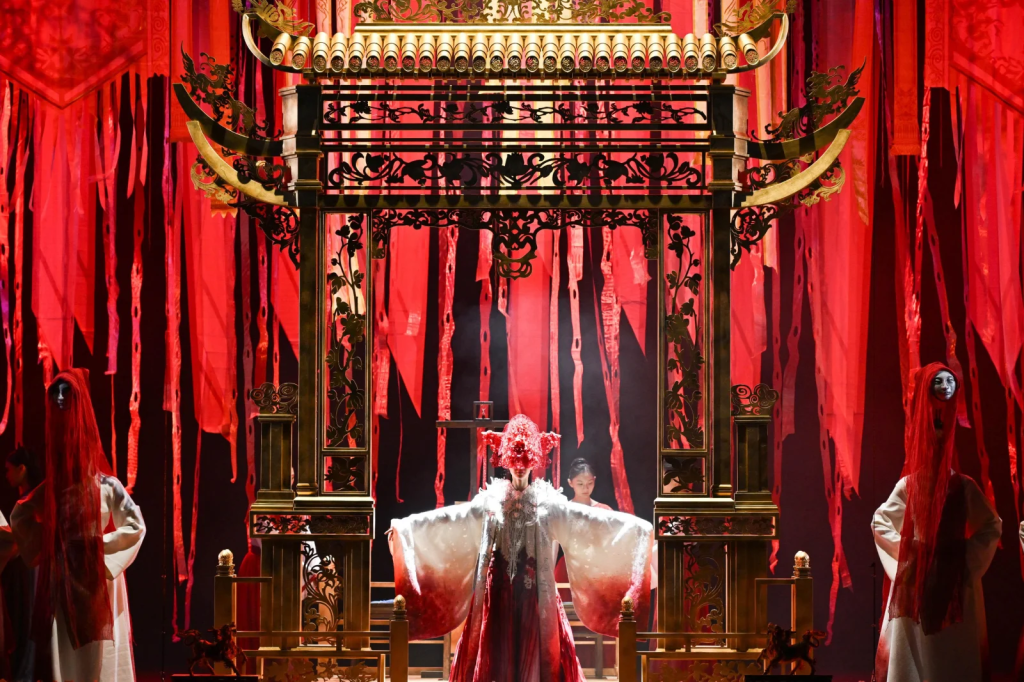
These choices invited the audience to view familiar spaces from entirely new perspectives, mirroring the tension between joy and sorrow, freedom and confinement, that defines the lovers’ journey.
4. Finale and Rebirth
The finale departed from tradition. Instead of ending with two butterflies symbolizing eternal union, the Hong Kong Ballet chose a subtler metaphor. Two larva-like creatures emerged, representing not just the souls of Zhu and Liang, but the idea of new beginnings. It was a choice that replaced closure with continuation, evoking the cycles of reincarnation.
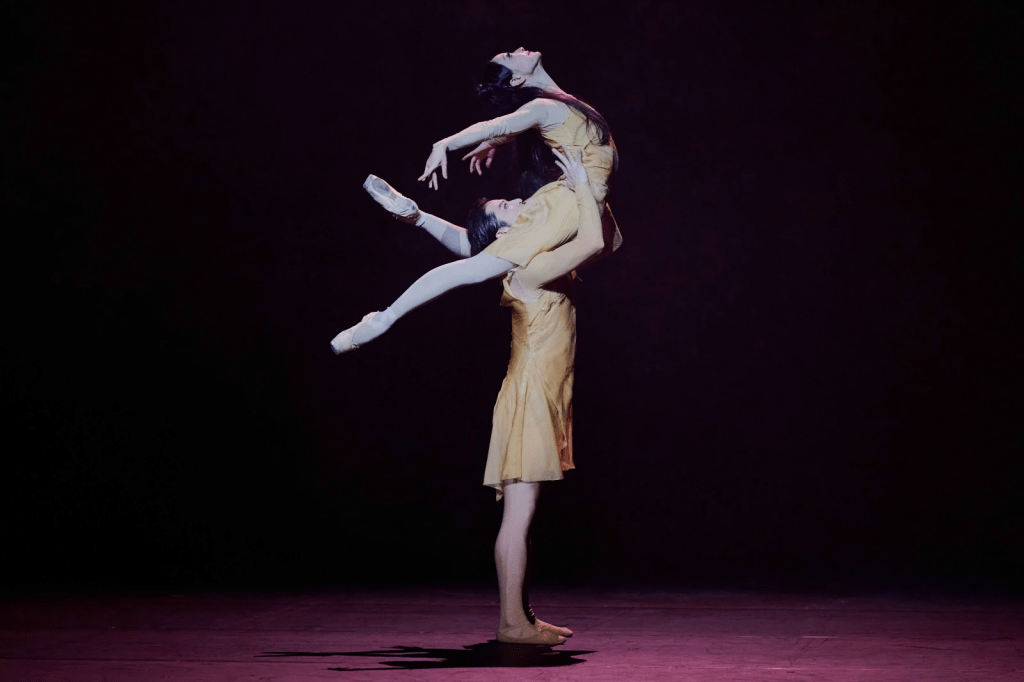
The use of a body slide—with dancers gliding from a dancer-formed tunnel in skin-toned costumes—reminded the audience that we enter and leave this world stripped of possessions, yet never stripped of spirit. The transition between lives was portrayed not as an end, but as an ongoing flow.
5. Characters in Contrast
Each role came alive through deliberate contrasts:
- The naughty Zhu Yingtai set against her rigid parents.
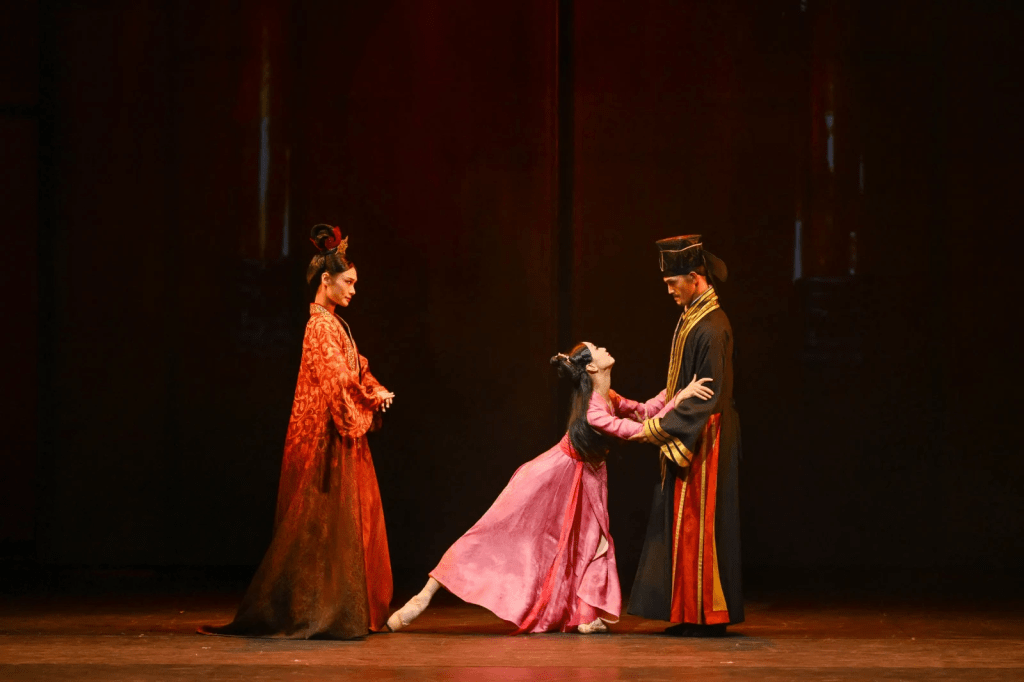
- The mischievous yet bookish Liang Shanbo clashing with the obedient and powerful imperial soldiers.
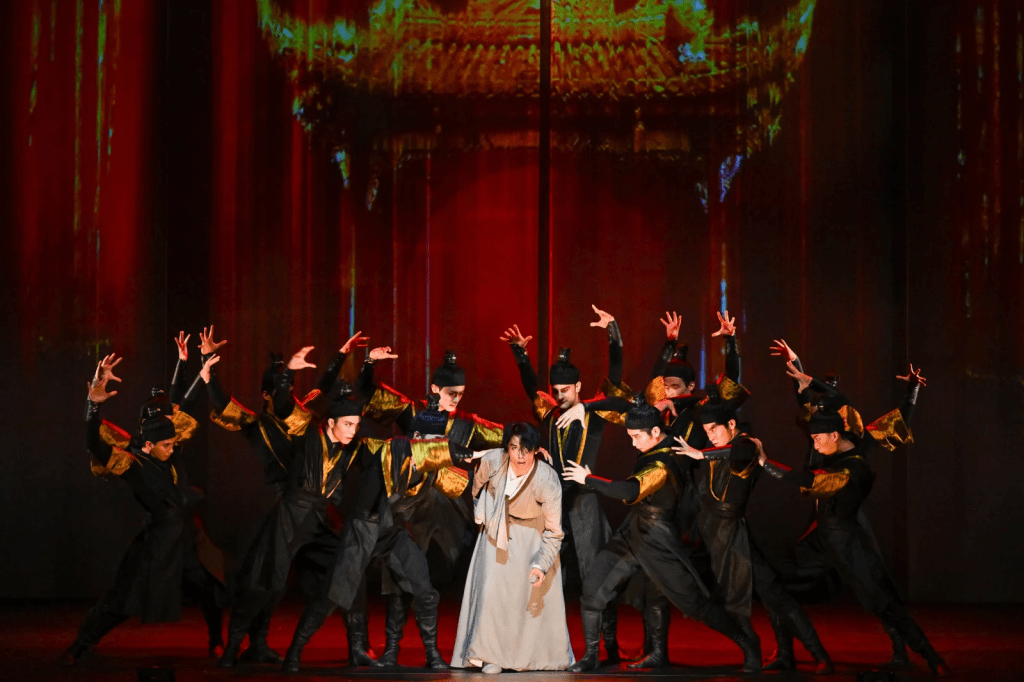
- The romantic dream lovers imagined by Zhu, counterposed with the unforgiving social codes of their era.
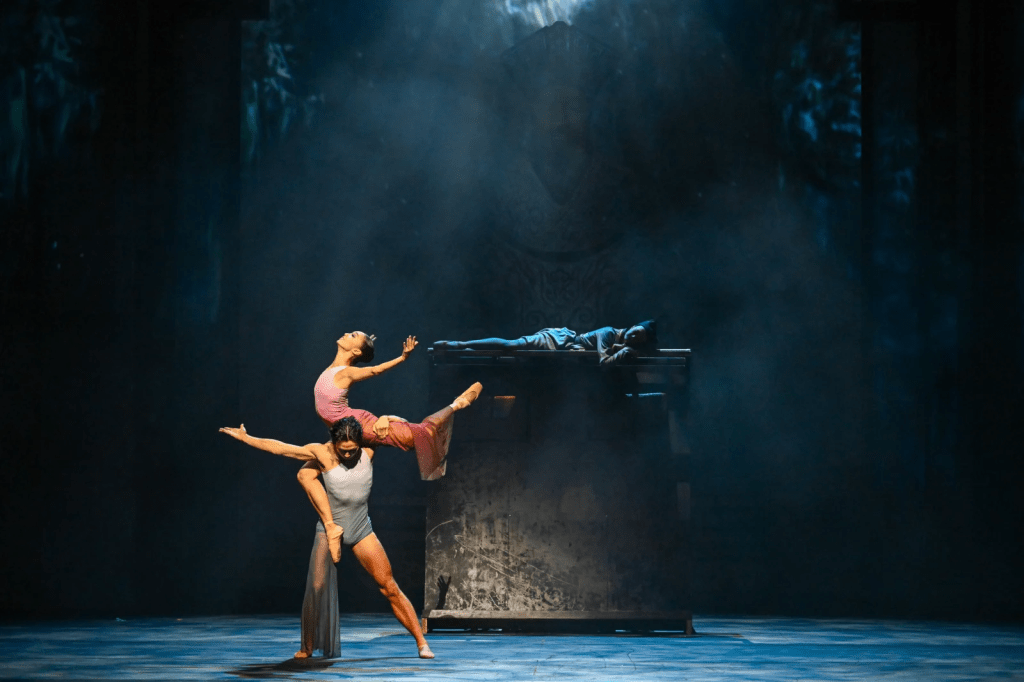
These juxtapositions created tension that pulsed through every act, highlighting the struggle between individual desire and cultural constraint.
Conclusion
Butterfly Lovers was more than a performance—it was a meditation on love, society, and transformation. With its fusion of cultural styles, emotionally charged performances, and daring stagecraft, the Hong Kong Ballet offered not just a retelling of a legend, but a reimagining that felt timeless and new.
Photo source
https://www.davidhkochtheater.com/tickets-and-events/the-butterfly-lovers


 Tiny dancer
Leave a comment